Integrated Payment Architectures Reshaping Tiered Loyalty Structures in Digital Gaming Ecosystems
Petra Franke · Aug 20, 2026
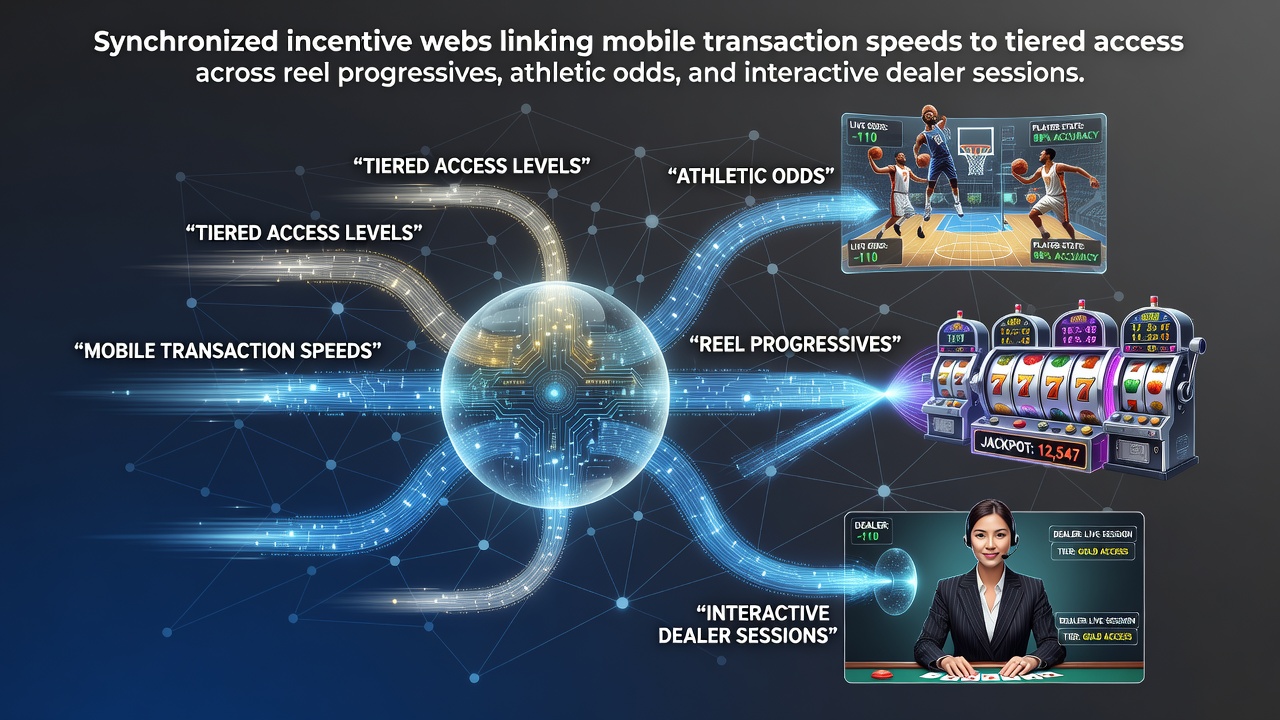
Integrated Payment Architectures Reshaping Tiered Loyalty Structures in Digital Gaming Ecosystems
Payment processing speeds now determine eligibility thresholds in many digital gaming environments, where operators link transaction velocity directly to progressive reward ladders spanning slot mechanics, sports wagering lines, and live dealer tables. Data from industry reports indicate that platforms employing real-time API connections between banking systems and loyalty engines achieve higher retention metrics, with transaction confirmation times dropping below three seconds in optimized setups. Researchers at various academic institutions have documented how these integrations create layered access protocols, allowing faster deposits to unlock elevated bonus multipliers on reel progressives while simultaneously adjusting odds visibility in athletic betting modules.
Mechanics of Speed-Based Tier Progression
Operators configure their systems so that deposit velocity feeds into algorithmic calculations that adjust player status within hours rather than days, and this synchronization extends across game verticals because unified databases track activity from mobile interfaces. One study from a European research consortium revealed that platforms using instant settlement protocols see a measurable uptick in cross-category engagement, where users completing rapid transactions gain earlier entry to premium interactive dealer sessions. Figures released by the Australian Communications and Media Authority show similar patterns in regulated markets, where mobile-first designs correlate transaction speed with tier advancement rates that climb steadily through the second and third quarters of each year.
Technical frameworks rely on secure tokenization paired with instant verification services, and these tools permit seamless movement between categories such as progressive jackpot pools, live table environments, and odds-based markets. Observers note that when confirmation latency falls under one second, loyalty algorithms automatically recalibrate access permissions, granting participants additional spins on reel systems or enhanced line visibility in sports interfaces without requiring separate verification steps.
Cross-Vertical Incentive Synchronization
Developers integrate backend ledgers that mirror transaction data across slot progressives, athletic betting interfaces, and dealer-hosted tables, ensuring that a single deposit event influences reward availability in multiple areas simultaneously. Reports compiled by the Nevada Gaming Control Board highlight how such architectures reduce administrative overhead while maintaining compliance records, with audit trails capturing every speed-linked adjustment in real time. Those who've examined platform logs find that tiered benefits often activate within the same session when mobile payments clear quickly, allowing users to move fluidly from one game type to another while retaining elevated status levels.
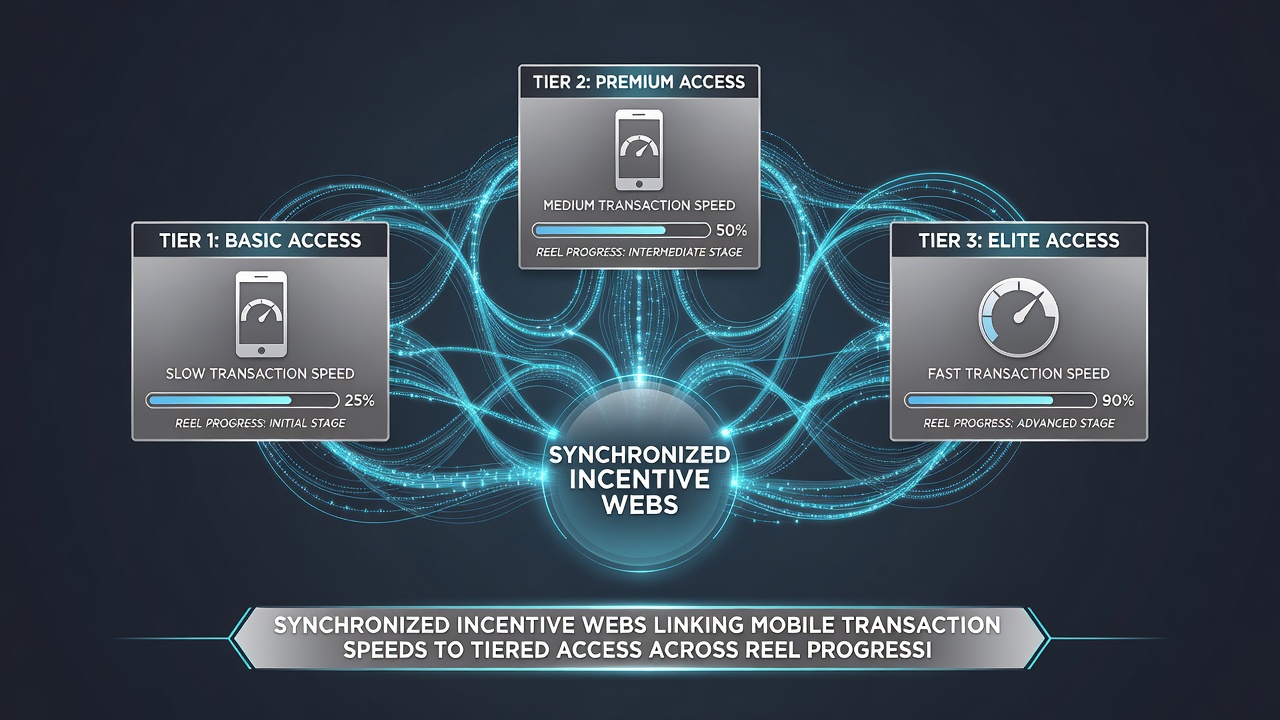
Industry analyses conducted in 2025 projected continued expansion of these models into 2026, and preliminary data gathered during August 2026 testing phases indicate further refinements in API response times that tighten the connection between payment speed and multi-category reward distribution. Canadian provincial regulators have also documented comparable frameworks in their oversight reports, noting that synchronized systems help operators maintain consistent player classification across diverse product offerings without manual intervention.
Implementation Patterns Across Platforms
Software providers deploy modular components that plug transaction engines into existing loyalty structures, and these modules process signals from mobile applications to update tier statuses dynamically. Evidence from trade association surveys suggests that platforms adopting these methods experience smoother fund flows, which in turn support continuous participation across reel-based progressives, field odds, and live interaction rooms. People familiar with backend configurations describe how conditional rules trigger automatic upgrades once transaction thresholds are met, extending privileges to additional game modes within minutes rather than requiring overnight batch processing.
Security protocols built around encryption standards ensure that speed enhancements do not compromise data integrity, and regulatory bodies in multiple jurisdictions require documented testing of these linkages before deployment. Research papers published by university-affiliated gaming labs emphasize the importance of timestamp synchronization across servers to prevent discrepancies in tier calculations when users switch between device types mid-session.
Conclusion
Current industry architectures demonstrate clear connections between mobile transaction performance and tiered access mechanisms that span multiple gaming formats, with ongoing refinements expected to maintain alignment through the remainder of 2026. Data collected from operational environments confirm that faster processing correlates with expanded reward eligibility across the described categories, while regulatory oversight continues to shape implementation standards in key markets.